

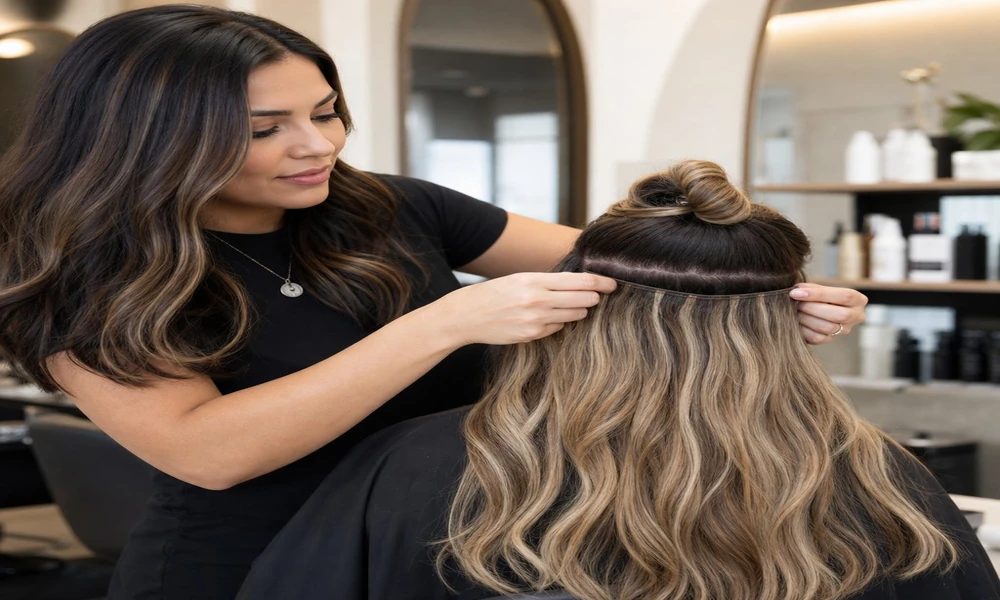
Extensions can be used to add length, volume, color or all three, however the “best” extension isn’t always the longest or the most expensive. The goal is to achieve a look that’s seamless, so it’s important to consider the type of extensions, their quality, color and maintenance for your specific situation.
First Consider What You Want to Change
Before you begin comparing types of extensions, think about what you’re looking to change about your hair. Someone looking to add volume to the sides will have different needs than someone looking to add length. Here are a few common reasons to get hair extensions:
- Add volume for hair that’s thin or thinning
- Add length
- Fill in thinning areas
- Get highlights without having to color the natural hair
- Get more volume for a special event
Additionally, it’s worth considering how frequently you’d want to wear extensions. Clip-in pieces may work well for occasional use, while professionally installed pieces are generally easier for daily styling.
Types of Extensions
There are different types of extensions with different pros and cons. Each style has its own look, feel, price tag and maintenance needs. Here’s an overview of the most common options:
Different types of hair extensions and application methods
- Clip-ins: These are extensions that you can apply and remove on your own. They can be great for special occasions, weekends or people who don’t want to commit to having extensions all the time. It’s important to apply clip-ins correctly, otherwise the clips may show if you don’t have enough hair to cover them.
- Tape-ins: Tape-ins consist of thin wefts that adhere close to the scalp. Because they lay very flat, they can appear very natural. These extensions will need to be reapplied by a professional as your hair grows, and they need to be treated carefully during washing or product application near the tape.
- Sew-ins: Sew-ins are applied to braids. They can give you a lot of volume, and they’re very secure, but they need to be installed without too much tension. Depending on hair type and density, sew-ins may or may not be suitable for you.
- Keratin/Bonded: Bonded extensions are applied in very small sections, giving you flexibility in placement and movement. They can take a while to install and remove, but properly bonded extensions can look very natural.
- Beaded: In bead installations, hair is added via small beads or rings rather than bonding. The beads can be moved up as the hair grows, but the sizing, placement and tension of the beads is key for both comfort and hair health.
Quality Isn’t Just About Length or Price
The best hair extensions in Houston should feel soft, move easily and have the same texture from root to tip. Generally, human hair allows you to wash, brush and style it, as you can read at https://www.teenvogue.com/story/, similar to your natural hair. Synthetic hair often cannot be washed or styled with heat.
Another consideration is color. Your hair likely isn’t just one solid shade, so blending a couple of colors together may create a more natural appearance. It’s also important to look at texture. It will be easier to blend in extensions that match the same wave, curl or straightness as your own hair.
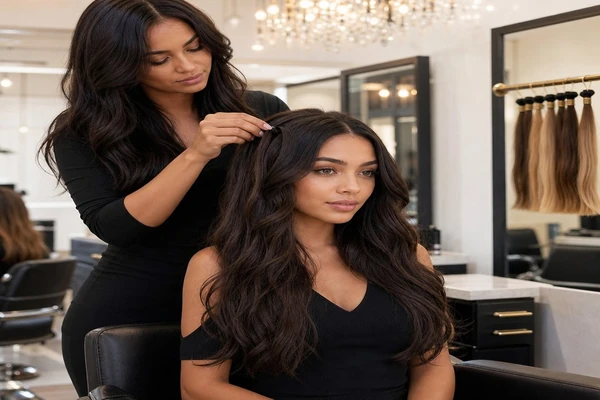
Hair extensions blended to match natural hair color and texture
Don’t Forget Your Natural Hair!
Extensions can look fantastic, but improper sizing, installation or maintenance can damage your natural hair (browse around here). When getting an initial consultation, ask the installer to evaluate your hair density, scalp health, any breakage and chemical history. Good extension maintenance includes being gentle when detangling, holding onto the attachment while brushing to avoid pulling and avoiding applying oils to the bonds unless appropriate for the type of extension. Leaving extensions dry and loosely braided at night can help avoid tangles. It’s also important to get regular appointments to move the extensions up as they grow out so they aren’t pulling on your natural hair.
Consider Who Will Be Installing the Extensions
When looking into hair extensions, it’s important to know who’s going to apply them. It’s a good idea to ask about the installer’s training and experience with the type of extensions you’re considering and your specific hair type. Ask about their removal process and how often you’ll need to come back for maintenance. A reputable hair extension specialist will be able to discuss the pros and cons of each type of extension with you instead of pushing the same method on everyone.
Understand the Full Cost
In addition to knowing what type of extensions you want, be sure you understand the entire process and pricing. Prices should include the hair, installation, maintenance appointments and removal. Make sure you know all these costs before you commit to the process.
Choose Extensions That Match Your Lifestyle
Hair extensions shouldn’t make your life more difficult. Think about your styling preferences, how often you’re willing to come in for maintenance, the price, the state of your natural hair and how those factors affect which extensions will work for you. If you have realistic expectations and choose a qualified installer, extensions can give you more length and volume while still looking natural and feeling comfortable.