

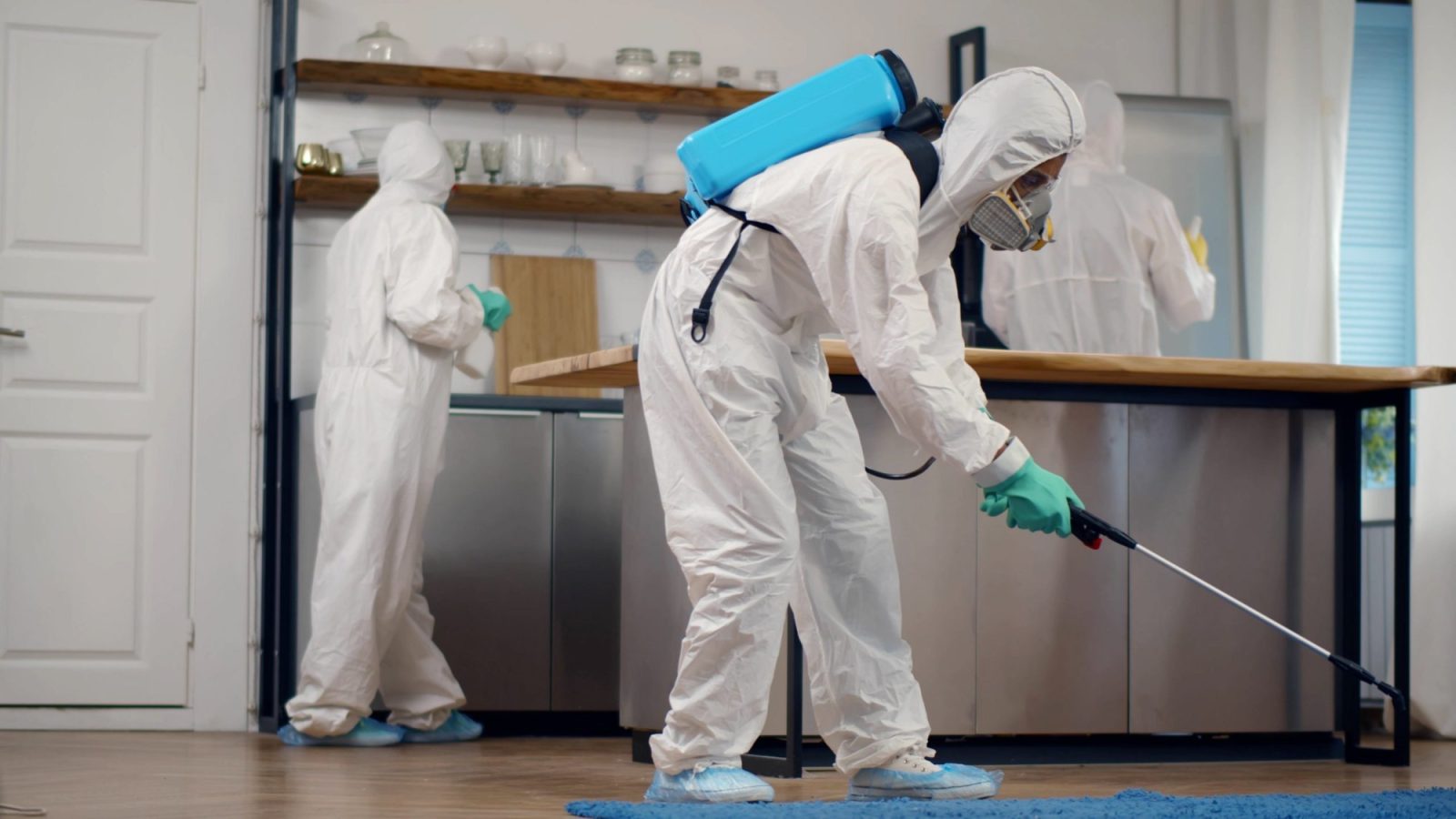
Residential pest control is crucial for maintaining a safe and healthy living environment. Pests can cause significant damage to properties, contaminate food, and transmit diseases. Effective pest control measures can prevent these issues, protecting homeowners and their families. With the rise of pest infestations, it’s essential to prioritize residential pest control. For those seeking professional assistance, reliablepestsolutions.com offers expertise in managing pest infestations.
By understanding the importance of residential pest control, homeowners can take proactive steps to prevent pest problems, ensuring their homes remain pest-free and secure. Regular pest control measures can provide peace of mind and long-term benefits for homeowners.
What is Residential Pest Control?
Residential pest control refers to the management and elimination of pests within homes and residential areas. It involves identifying, preventing, and controlling pest infestations to protect properties, health, and well-being. Residential pest control encompasses a range of methods, including chemical, biological, and cultural controls, aimed at managing pests such as insects, rodents, and other unwanted organisms.
Advancements in Pest Control Technologies
- Precision Pest Control: Advanced technologies, such as precision pest control, enable targeted treatments, reducing the use of chemicals and minimizing environmental impact.
- Smart Traps: Smart traps utilize sensors and Wi-Fi connectivity to detect and monitor pest activity, providing real-time alerts and insights.
- Biological Control Agents: Biological control agents, such as beneficial insects and microorganisms, offer a sustainable alternative to chemical pesticides.
Eco-Friendly Pest Control Methods
- Natural Repellents: Natural repellents, such as essential oils and plant extracts, provide a safe and effective way to deter pests.
- Organic Pesticides: Organic pesticides, derived from natural sources, offer a reduced-risk alternative to synthetic chemicals.
- Cultural Controls: Cultural controls, such as modifying home environments and practices, can prevent pest infestations.
Integrated Pest Management (IPM)
- Holistic Approach: IPM involves a holistic approach, combining multiple methods to manage pest populations.
- Identification and Monitoring: Accurate identification and monitoring of pest populations enable targeted treatments.
- Prevention: Prevention strategies, such as sealing entry points and reducing moisture, can prevent pest infestations.
What Are The Benefits of Improved Residential Pest Control?
Residential pest control is critical, and it offers several benefits. Some of them have been included below:
- Enhanced Effectiveness: Improved pest control methods and technologies provide more effective solutions for managing pest infestations.
- Reduced Environmental Impact: Eco-friendly methods and sustainable practices minimize environmental harm.
- Increased Safety: Targeted treatments and reduced chemical use enhance safety for homeowners and their families.
- Cost Savings: Effective pest control measures can reduce costly repairs and property damage.
Exploring Best Practices for Homeowners
Homeowners can take proactive steps to prevent pest infestations and maintain a pest-free living environment. By following best practices, homeowners can reduce the risk of pest problems and protect their properties. Some key best practices for homeowners include:
- Regular Inspections: Conduct regular inspections to detect pest activity early.
- Seal Entry Points: Seal cracks and crevices to prevent pests from entering the home.
- Proper Waste Management: Keep waste and trash in sealed containers and dispose of it regularly.
- Reduce Moisture: Fix leaky pipes and reduce moisture to deter pests.
- Cleanliness: Maintain a clean environment, including regular cleaning and decluttering.
- Landscaping: Keep trees and shrubs trimmed and away from the home to reduce pest habitats.
- Pest-Resistant Materials: Use pest-resistant materials when building or renovating the home.
Final Thought
The improvement of residential pest control involves a comprehensive approach, incorporating innovative technologies, eco-friendly methods, and IPM strategies. By understanding the latest developments and best practices, homeowners can effectively manage pest infestations, reducing the risk of property damage and health concerns. As the industry continues to evolve, homeowners can expect even more effective and sustainable solutions for residential pest control.