

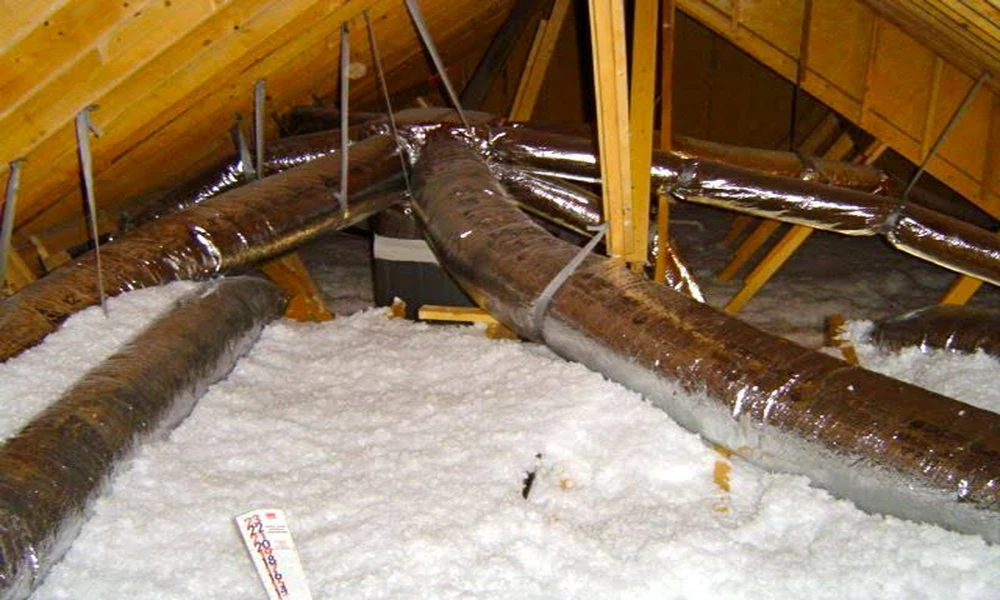
Plenty of houses around the Polk County lakes were built before anyone expected central air. Picture a 1950s concrete block ranch with plaster ceilings and a shallow attic. Over the years it gained a Florida room out back and a few window units. Eventually the owners want real cooling, and they learn that a standard duct system would mean opening up most of the ceilings.
Two options usually come up at that point. One is a ductless mini split. The other is a small duct, high velocity system that threads narrow tubing through spaces regular ductwork can’t reach. In Winter Haven, Rankin Mechanical Service installs both, along with geothermal and conventional heat pumps. The Bryant factory authorized shop is a family business that has worked on lake town houses from Lake Alfred down to Bartow for years. Because they install both kinds, they have no reason to favor one, which is the right starting point for this decision.
The useful way to compare the two is to walk through the house and see how each one handles every space.
Up in the Attic
A conventional duct system needs room for main trunk lines that can run 12 to 20 inches across, and an older low-pitch Florida roof rarely has that space. A high velocity system gets around this with a compact air handler and flexible supply tubing only 2 to 2½ inches wide. That tubing bends around rafters and drops through wall cavities that would never fit standard ducts.
A mini split skips the attic almost entirely. Each indoor head connects to the outdoor unit with a refrigerant line set and a condensate drain, passed through a hole about three inches wide in an exterior wall. In a Florida attic that can top 130 degrees in July, keeping cooled air out of that space matters. The U.S. Department of Energy notes that duct losses can account for more than 30 percent of cooling energy use, especially when ducts run through unconditioned spaces like attics.
High velocity tubing is heavily insulated and much less leaky than old flex duct, so it narrows that gap a lot. It just doesn’t close it to zero the way a ductless setup does.
The Living Room Wall
This is where the two look most different. A mini split head is a white box about three feet long, mounted high on a wall. Ceiling cassettes and slim concealed units exist, but the classic wall mount is what most homes end up with. Some owners don’t mind it at all. Others with original millwork or arched doorways find it hard to look past.
High velocity outlets are small round plates about five inches across, set into the ceiling or floor. Most visitors never notice them. For owners who care about keeping an older house looking original, this point alone often settles the choice.
The Bedroom at 2 A.M.
Both systems are quiet, but they sound different. A good mini split head running at low speed is close to silent. You mostly hear a soft fan and an occasional click as the louvers move.
High velocity air leaves each outlet faster, so you can hear a gentle rush near the opening. A good installer places outlets in corners and away from the headboard. They also use sound attenuating tubing on the last stretch of each run, so the noise blends in like background white noise. A poorly planned layout is where people get complaints about whistling.
The Florida Room Out Back
Enclosed porches with jalousie windows and walls of glass are hard to cool from a central system, because the sun loads them so differently from the rest of the house. A single mini split head with its own remote gives that room its own zone. It can run hard all afternoon without overcooling the bedrooms. This is where ductless makes the strongest case, even in homes that use a high velocity system everywhere else.
The Musty Closet Problem
In Central Florida, humidity control matters as much as temperature. High velocity air handlers push less air across a larger coil, so the air spends more time on the cold surface. Manufacturers say these systems pull noticeably more moisture out than standard central air, and homeowners with damp lakefront houses often agree.
Mini splits can do well with humidity, and most have a dry mode. Sizing is their weak spot. The Department of Energy warns that oversized or badly placed indoor units tend to short cycle, which wastes energy and leaves humidity uncontrolled. One head too large for a small bedroom will cool the room fast and leave it clammy.
Filters, Coils and the Slow Buildup
Upkeep looks different with each system.
- Mini splits have washable mesh filters in every head, and those filters catch much less than a pleated filter. In humid homes the blower wheels inside the heads can grow mold if they aren’t cleaned now and then.
- High velocity systems use one central filter at the air handler, usually a higher grade one. Maintenance looks much like a regular central system.
- Both need clear condensate drains, which in Florida means keeping algae out of the lines.
Where the Money Lands
Cost depends on how many rooms need cooling. A single zone mini split for one room is often the cheapest way to cool that space properly. As the count rises to five or six heads, each with its own installation, the total climbs quickly. A high velocity system usually costs more than conventional ductwork, but in a whole house with no duct space, it often comes out close to or below a large multi zone ductless setup. It also avoids the price of tearing out and repairing plaster ceilings. On efficiency ratings, top ductless models score among the highest of any residential equipment.
Mixing the Two
Many older homes end up with a mix of both systems. A high velocity system handles the original rooms with hidden outlets and strong moisture removal. A single mini split takes care of the sunroom, a garage converted into an office, or a back bedroom added in the 1970s. The house doesn’t have to be cooled one way just because one system won the comparison.
A load calculation done room by room, on the actual house, will show which spaces need which system.