

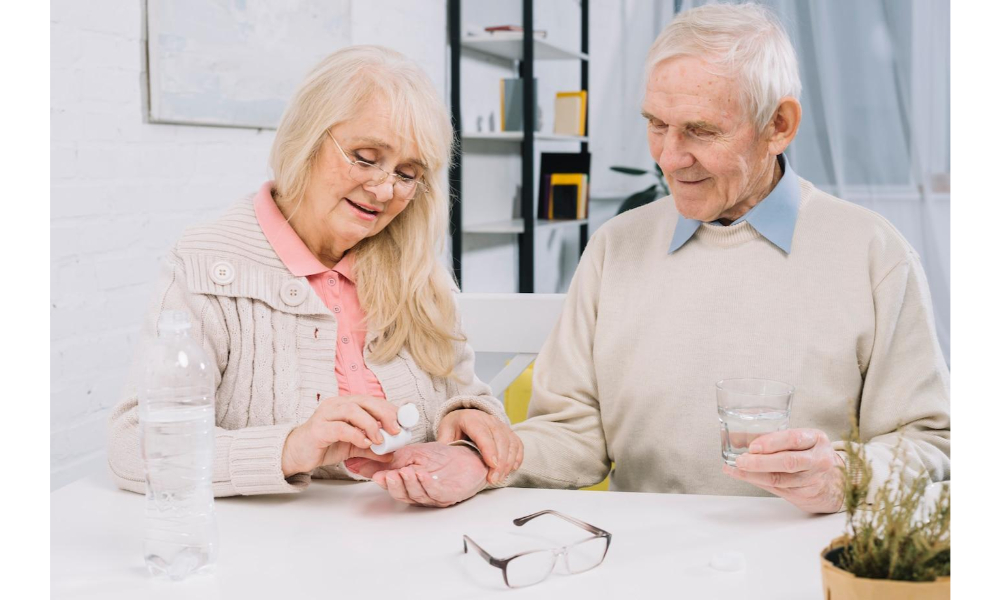
Understanding the Aging Process
Aging is a multifaceted journey that unfolds uniquely for every individual, marked by gradual physiological changes across various systems. One of the most noticeable changes is the slowing of cellular regeneration, which can affect healing and increase susceptibility to illness. Common signs of aging include reduced skin elasticity, diminished muscle mass, brittle bones, and slower recovery from injury or exertion.
Cognitive changes also occur, such as occasional memory lapses and slower information processing. However, aging can enhance wisdom and emotional intelligence, with many older adults drawing strength from decades of experience. Recognizing these shifts—physical, cognitive, and emotional—can help older adults set realistic expectations and make informed decisions for maintaining quality of life.
Social and psychological factors also shape how individuals experience aging. Societal attitudes, personal relationships, and emotional health all play vital roles. By adopting a positive mindset and embracing a holistic approach, older adults can age with resilience and grace.
Common Health Concerns in Older Adults
As individuals age, certain health concerns become increasingly common:
- Joint Pain and Arthritis: Degenerative joint conditions, such as osteoarthritis, can cause pain, stiffness, and reduced mobility. Managing joint health through physical therapy, gentle exercise, weight management, and medications can preserve function and comfort.
- Memory Loss and Cognitive Decline: While occasional forgetfulness is normal, persistent memory issues may signal conditions like dementia or Alzheimer’s disease. Staying mentally active, socially connected, and physically healthy can support brain health.
- Bladder and Pelvic Health: Urinary incontinence and pelvic floor dysfunction are prevalent but often under-discussed. Older adults experiencing these issues can benefit from specialized care offered by facilities like the Northwest Continence Center, which focuses on personalized management of bladder and pelvic health to improve daily functioning and quality of life.
- Cardiovascular Disease and Hypertension: These are leading concerns and require regular monitoring, healthy eating, and physical activity.
- Osteoporosis: Particularly in postmenopausal women, osteoporosis can increase fracture risk. A diet rich in calcium and vitamin D, along with weight-bearing exercises, is critical.
Awareness of these concerns and early interventions allows seniors and caregivers to manage health proactively and maintain independence longer.
Importance of Regular Health Screenings
Preventive health screenings help catch illnesses in early, treatable stages. Recommended screenings include:
- Blood pressure and cholesterol checks
- Diabetes screening
- Cancer screenings (mammograms, colonoscopies, PSA tests)
- Vision and hearing tests
These check-ups are essential for spotting risk factors and enabling timely interventions that support long-term wellness.
Nutrition and Diet for Healthy Aging
Good nutrition is fundamental to healthy aging, providing the necessary nutrients to support bodily functions and maintain energy levels. As metabolism slows with age, it becomes crucial to focus on nutrient-dense foods that offer maximum benefits. A balanced diet rich in fruits, vegetables, whole grains, lean proteins, and healthy fats can help prevent chronic diseases, manage weight, and boost overall health. Essential nutrients such as calcium, vitamin D, and omega-3 fatty acids play specific roles in strengthening bones, reducing inflammation, and supporting heart health.
Hydration is another critical aspect of nutrition that often gets overlooked. Older adults may not feel thirsty as frequently, which can lead to dehydration. Ensuring adequate fluid intake is vital for maintaining cognitive function, digestion, and temperature regulation. Incorporating soups, herbal teas, and water-rich fruits and vegetables into the diet can help meet hydration needs effectively. Proper hydration supports all major bodily functions, contributing to a more vibrant and active lifestyle.
Moreover, dietary needs can change with age due to alterations in taste preferences, dental issues, or digestive capacity. It is essential to adapt eating habits to these changes without compromising on nutritional quality. Consulting with a registered dietitian can provide personalized guidance to address specific dietary concerns and ensure that nutritional needs are met. By prioritizing nutrition, older adults can enhance their immune system, improve mental clarity, and maintain physical strength, supporting graceful aging and a higher quality of life.
Physical Activity and Exercise Recommendations
Exercise is one of the most effective ways to promote longevity and mobility. Recommendations include:
- Aerobic activities like walking, swimming, or cycling
- Strength training to combat muscle loss and maintain bone density
- Balance exercises like yoga or tai chi to prevent falls
Even moderate activity improves cardiovascular function, mood, and energy. Always consult with healthcare providers before beginning a new routine.
Mental Health and Cognitive Function
Emotional well-being is central to healthy aging. Life transitions, loss, or health challenges can lead to depression, anxiety, or loneliness. Support systems, therapy, and social engagement help mitigate these issues.
To preserve cognitive function, older adults are encouraged to:
- Engage in puzzles, reading, or creative hobbies
- Maintain strong social ties
- Follow a brain-friendly diet rich in antioxidants and healthy fats
These strategies, combined with physical activity, promote resilience and mental sharpness.
Managing Chronic Conditions
Chronic conditions such as diabetes, arthritis, and hypertension are prevalent among older adults and require consistent, personalized care to prevent complications. Effective management begins with understanding the condition and adhering to a healthcare provider’s treatment plan. This includes regular monitoring, medication compliance, and lifestyle adjustments tailored to individual needs.
Adopting a healthy lifestyle—such as eating a balanced diet, engaging in appropriate physical activity, and avoiding smoking and excessive alcohol—can significantly ease symptoms and support overall health. Stress-reduction techniques like mindfulness, meditation, and deep breathing exercises are also helpful in managing physical and emotional symptoms.
For individuals experiencing persistent, unexplained fatigue as part of a chronic condition, diagnostic tools like the Cardiopulmonary Exercise Test (CPET)—often referred to as a CFS test when used to evaluate Chronic Fatigue Syndrome (CFS)—may be used to assess energy production and tolerance. Organizations such as the Workwell Foundation utilize CPET to help identify post-exertional malaise and guide more accurate management strategies for fatigue-related conditions.
Support from healthcare providers, caregivers, and peer networks is essential. Regular check-ups and open communication help ensure treatment remains effective. By combining medical care, lifestyle changes, and support systems, older adults can better manage chronic conditions and maintain a higher quality of life.
Social Connections and Their Impact on Health
Staying socially active enhances physical and mental health. Benefits include:
- Reduced depression risk
- Improved cognition
- A greater sense of purpose and belonging
Participation in community events, interest groups, and virtual platforms helps maintain connections, especially for those with mobility limitations. Combatting isolation is vital, and family and caregivers can play a pivotal role in promoting regular social interaction.
Resources for Older Adults and Caregivers
Navigating senior care is easier with the right support. Local agencies, senior centers, and online resources offer:
- Healthcare and insurance guidance
- Financial and legal advice
- Recreational and wellness programs
Caregivers can also access educational tools, respite care, and peer support. Homecare providers like Alpenglow Homecare in Aurora, CO, offer comprehensive in-home services that promote independence while easing the burden on loved ones. Their tailored programs address chronic condition management, personal care, and emotional support.
By utilizing a wide range of services—from specialized clinics like Northwest Continence Center to homecare agencies and community programs—families can build an effective support network for aging adults.
Conclusion: Embracing Aging with Confidence
Aging gracefully means living proactively, with awareness and self-compassion. Through preventive care, good nutrition, physical activity, emotional support, and a network of resources, older adults can continue to lead fulfilling lives.
Rather than focusing on limitations, aging should be viewed as a time to celebrate growth, deepen connections, and reflect on a life well-lived. With the right tools and support, the later years can be vibrant, meaningful, and empowering.