

Understanding Comprehensive Eye Exams
A comprehensive eye exam goes far beyond checking how well you see—it offers critical insights into your overall health. Eye care professionals assess eye alignment, pressure, and internal structures to detect not only common conditions like glaucoma and macular degeneration, but also early signs of systemic issues. By dilating the pupils and examining the retina and optic nerve with advanced tools like OCT and retinal imaging, these exams can uncover signs of diseases affecting the brain, heart, and more, often before symptoms arise elsewhere. In this way, a comprehensive eye exam becomes a powerful tool for both vision care and preventive health.
The Connection Between Eye Health and Overall Health
The eyes are often referred to as “windows to the soul,” but they are also windows to your health. The blood vessels and nerves visible in the eye can reflect changes occurring elsewhere in the body, offering a unique glimpse into your overall health. This connection between eye health and systemic health is particularly evident in conditions like diabetes and hypertension. For example, one of the earliest signs of diabetes can be changes in the blood vessels of the retina, a condition known as diabetic retinopathy. By detecting these changes early through an eye exam, patients can be alerted to their diabetic status, often before they experience symptoms.
Hypertension, or high blood pressure, is another condition that can be identified through eye exams. The blood vessels in the eye can become narrowed or even leak as a result of high blood pressure, a condition known as hypertensive retinopathy. Notably, these changes in the eyes can occur before a person is diagnosed with hypertension, providing a critical early warning system. Similarly, high cholesterol levels can lead to the formation of deposits in the blood vessels of the retina, which can be detected during an eye examination. By identifying these signs early, individuals can take steps to manage their cholesterol levels, reducing their risk of heart disease.
Moreover, the eyes can also reveal signs of neurological conditions. For instance, the optic nerve, which connects the eye to the brain, can show changes indicative of conditions like multiple sclerosis or even brain tumors. According to experts in brain surgery, “Changes in the optic nerve can sometimes signal the presence of a brain tumor, even before symptoms appear elsewhere in the body.” By examining the optic nerve during a comprehensive eye exam, healthcare professionals can detect signs of these serious conditions, facilitating early intervention and treatment. Early diagnosis can be life-saving, as the prognosis for brain tumors is often better when detected early. Brain surgery experts emphasize that timely treatment can significantly reduce the risks associated with neurological conditions.
Thus, the connection between eye health and overall health is profound, with the eyes providing critical insights into a wide range of systemic diseases, including neurological ones that can be addressed with specialized care, such as brain surgery.
How Eye Exams Can Indicate Brain Health
The eyes offer a unique window into the brain. Because the optic nerve connects directly to the brain, eye exams can help detect neurological issues early. Conditions like optic neuritis may signal multiple sclerosis, while swelling of the optic disc (papilledema) can indicate increased brain pressure due to tumors or hemorrhage.
Eye exams can also uncover changes linked to neurodegenerative disorders. For example, abnormal eye movements may hint at Parkinson’s disease, and retinal thinning has been associated with the early stages of Alzheimer’s. These non-invasive insights make regular eye exams a powerful tool for monitoring brain health and prompting timely intervention.
The Role of Eye Exams in Detecting Heart Disease
The eyes offer a unique window into cardiovascular health. During a comprehensive eye exam, optometrists can detect signs of heart disease by examining the retina’s blood vessels. Narrowing, swelling, or leakage may indicate hypertension or atherosclerosis—early warnings of heart trouble.
Retinal cholesterol deposits, known as Hollenhorst plaques, can also suggest high cholesterol or stroke risk. Additionally, microvascular changes in the retina often reflect similar issues in coronary arteries, potentially predicting heart attacks. By spotting these signs early, eye exams enable timely cardiovascular screenings and interventions, reinforcing their role in heart health monitoring.
Common Eye Conditions Linked to Systemic Diseases
Many eye conditions are closely linked to systemic diseases, making regular eye exams vital for overall health. For example:
- Diabetic Retinopathy: Caused by high blood sugar damaging retinal blood vessels, this condition can lead to vision loss if not caught early. It’s a key indicator of diabetes progression.
- Age-Related Macular Degeneration (AMD): While often age-related, AMD is also associated with heart disease, high cholesterol, and smoking. Early detection can prompt lifestyle changes and treatments to slow vision loss.
- Glaucoma: Increased eye pressure damages the optic nerve and may be related to conditions like hypertension and diabetes. Because it often develops silently, routine screening is critical.
Eye exams do more than check vision—they can reveal early signs of broader health issues, allowing for timely intervention and care.
The Importance of Regular Eye Exams
Regular eye exams are essential for more than just vision correction—they’re a key part of preventive healthcare. For children, early eye checks can catch vision issues that may affect learning and development. For adults, especially as they age, exams help detect silent conditions like glaucoma, cataracts, and macular degeneration before symptoms appear.
Eye exams also reveal signs of systemic diseases such as diabetes and hypertension, often before other symptoms surface. For those with chronic conditions, these checkups help monitor disease impact and guide treatment. Prioritizing regular eye exams supports both visual and overall health, empowering individuals to stay proactive about their well-being.
What To Expect During A Comprehensive Eye Exam
A comprehensive eye exam involves a series of tests designed to assess various aspects of eye health and vision. The process typically begins with a discussion of your medical history, including any vision problems, medications, and family history of eye conditions. This information helps the eye care professional tailor the exam to your specific needs and identify any risk factors that may influence your eye health. Understanding your history is a critical first step in the comprehensive examination process.
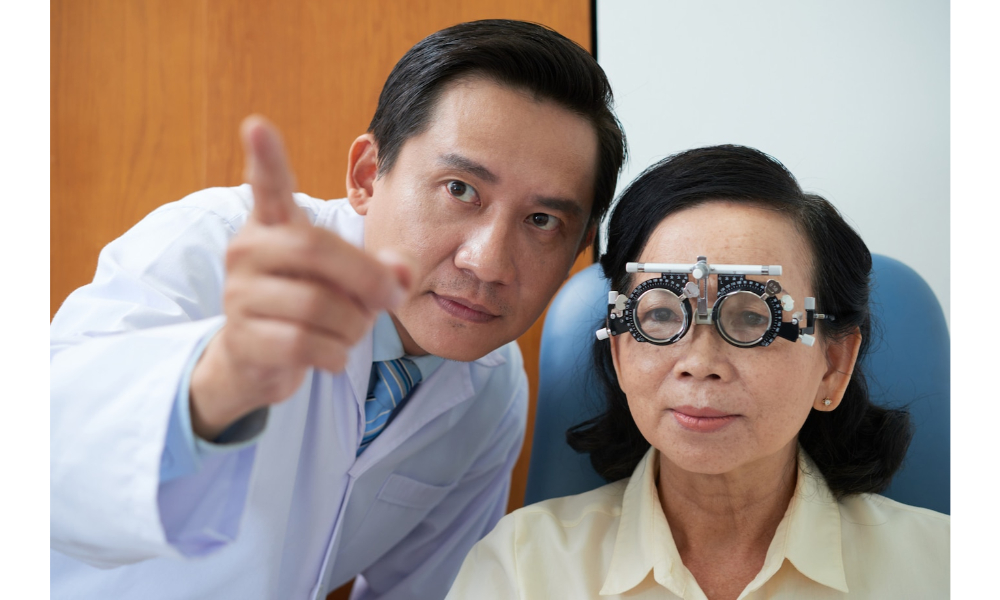
The exam itself usually starts with a visual acuity test, where you will be asked to read letters on a chart from a distance. This test determines how well you can see at different distances and is often followed by a refraction test to assess whether you need corrective lenses. The eye care professional will use a phoropter, a device that holds different lenses, to determine the best prescription for your vision. These tests are fundamental in evaluating your visual clarity and identifying any refractive errors.
Beyond visual acuity, the comprehensive exam includes a series of tests to assess the health of your eyes. These may involve checking eye alignment, testing your peripheral vision, and measuring eye pressure to screen for glaucoma. The eye doctor will also dilate your pupils to examine the retina and optic nerve for any signs of disease. Advanced imaging techniques, such as retinal photography or optical coherence tomography, may also be used to provide a detailed view of the eye’s structures. These tests collectively offer a thorough assessment of eye health, providing valuable insights into both ocular and systemic health.
Innovations in Eye Testing Technology
Recent advancements in eye testing have transformed optometry, enabling more accurate and earlier detection of eye and systemic conditions. Key innovations include:
- Optical Coherence Tomography (OCT): A non-invasive imaging tool that provides detailed cross-sectional views of the retina, helping detect conditions like glaucoma, macular degeneration, and diabetic retinopathy.
- Advanced Retinal Imaging: High-resolution and wide-field imaging technologies offer clearer, more expansive views of the retina, revealing subtle changes in blood vessels and the optic nerve.
- Artificial Intelligence (AI): AI algorithms now assist in analyzing retinal images, identifying early signs of disease with improved speed and accuracy, and supporting personalized care.
These technologies are revolutionizing eye care, allowing for earlier diagnosis, better treatment decisions, and improved patient outcomes.
Tips for Maintaining Eye and Overall Health
Maintaining eye health is crucial for overall well-being. Here are some key steps:
- Get regular eye exams: Schedule routine checkups with an eye care professional to detect early signs of eye conditions and health issues.
- Eat a healthy diet: Include fruits, vegetables, and omega-3s to provide essential nutrients like vitamins A, C, E, zinc, and lutein, which protect eye health.
- Stay hydrated: Drink plenty of water to keep eyes moist and prevent dryness.
- Protect from UV rays: Wear sunglasses with UV protection to reduce the risk of cataracts and other eye problems.
- Follow the 20-20-20 rule: Every 20 minutes, look at something 20 feet away for 20 seconds to reduce digital eye strain.
- Adopt a healthy lifestyle: Regular exercise and sufficient sleep also support overall health, benefiting both eyes and body.
These habits will help safeguard your vision and enhance your overall well-being.
Conclusion: Eye Exams—A Window to Brain and Heart Health
Comprehensive eye exams go beyond vision correction—they offer early clues to brain and heart health. By detecting signs of conditions like diabetic retinopathy, glaucoma, and even neurological or cardiovascular issues, these exams support timely, potentially life-saving interventions.
Thanks to innovations like OCT and AI-driven diagnostics, eye care professionals can now spot systemic diseases earlier and manage them more effectively. Prioritizing regular eye exams and healthy habits is a simple yet powerful way to protect both vision and overall well-being.
Your eyes don’t just reflect how well you see—they reflect how well you are.