

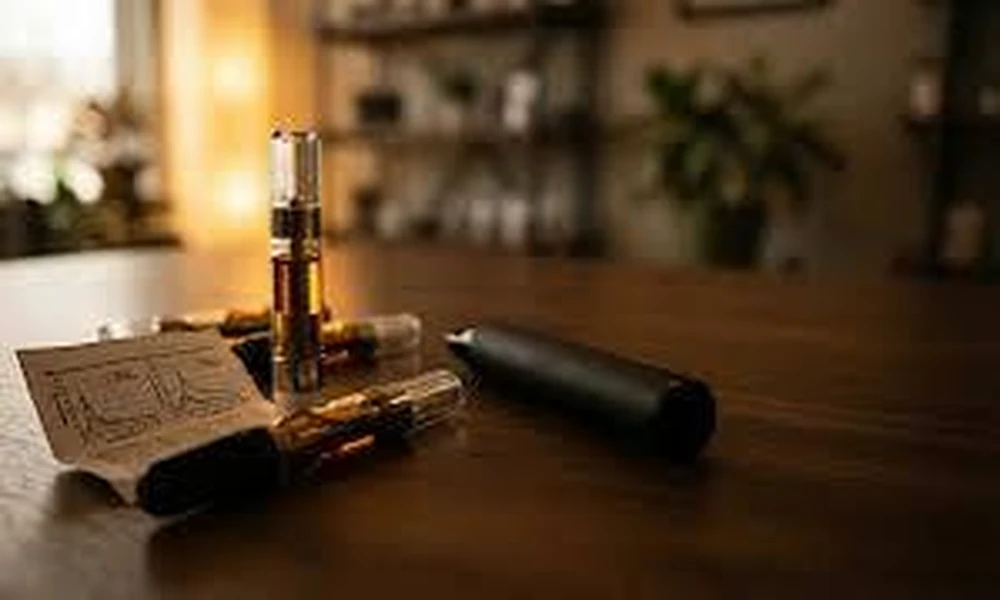
Every draw from a cartridge triggers a rapid chemical shift the moment heat touches the oil inside. THCA carries an extra acid group that must break away before the compound becomes active, and vaporization handles this within a fraction of a second. Anyone comparing the best thca vapes will notice that conversion quality depends heavily on how a device manages heat from puff to puff. Some hardware handles this transition smoothly across an entire session, while other units run hot early and fade later, changing how each draw feels along the way. Knowing what happens inside the chamber makes it easier to judge why certain devices deliver noticeably better results than others.
Heat regulation methods
Decarboxylation begins once the temperature crosses a specific threshold, so coil behaviour sits at the centre of the whole process. Ceramic coils spread warmth gradually across the oil chamber, lowering the chance of scorching delicate compounds during longer pulls. Quartz elements reach operating heat faster, though voltage control becomes more important with them since sudden spikes can degrade the extract before conversion completes. Airflow design matters just as much because tighter channels concentrate heat around the oil, while open designs cool the chamber between draws. Oil formulation adds another layer, given that thinner extracts vaporise quickly while denser ones need sustained warmth to release vapour properly. Draw style rounds out the picture, since a slow, steady inhale exposes oil to heat differently than a short, sharp pull does, and both patterns produce their own distinct conversion results across a session.
Conversion consistency elements
Steady output across a full session comes down to a few connected pieces working together inside the device, and each one carries real weight in the final experience.
• Battery regulation – Chips that hold voltage steady prevent the weak draws that appear when charge levels drop below half capacity.
• Wick saturation – Even oil flow into the heating element keeps every puff converting at the same rate rather than drying out mid-session.
• Chamber insulation – Materials surrounding the coil either hold warmth between draws or let it escape, shaping how quickly the next pull activates.
Vapour density variation
Density shifts noticeably depending on coil resistance and power output during each activation. Lower resistance coils generate more warmth per second, producing thicker vapour that carries a stronger immediate effect. Higher resistance builds create a lighter cloud spread across a longer burn window, which some users prefer for measured sessions throughout the day. Oil viscosity feeds into this as well, since heavier extracts release vapour slowly even under strong heat, while lighter formulations respond almost instantly once activation begins. Users who pay attention to these patterns quickly learn which combination suits their own pace best.
Flavour retention differences
Terpenes degrade at lower temperatures than cannabinoids, which means aggressive heat sacrifices taste even when conversion itself succeeds. Devices running modest wattage preserve strain character across many more sessions than high-output units manage to achieve. Manufacturers balance this tension through coil material selection and airflow placement around the heating element, aiming to convert THCA fully without burning away the aromatic compounds that give each strain its identity. A device that respects this balance rewards the user with flavour that stays recognisable from the first draw through the final one.
Conversion quality ties hardware, oil and heat into a single outcome felt in every draw. Devices that manage all three elements together deliver the steady, flavorful sessions that identical extracts alone can never guarantee on their own.