

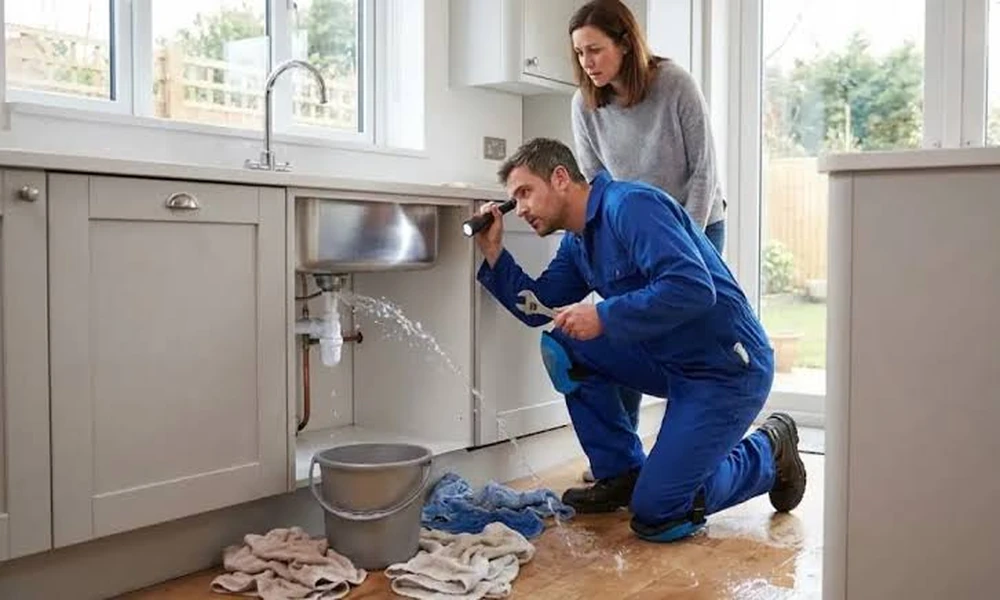
A plumbing emergency can turn an ordinary day into a stressful one quickly. A burst pipe, overflowing toilet, backed-up sewer line, or leaking water heater can cause water damage if it is not addressed promptly. Knowing what to do in the first few minutes can help limit the damage and make professional repairs easier.
For Reno homeowners, having a plan matters. Whether you need a quick temporary response or professional plumbing services in Reno,recognizing the warning signs and acting quickly can protect your home, belongings, and plumbing system.
What Counts as a Plumbing Emergency?
Not every plumbing problem requires an immediate call. A dripping faucet or slow drain may be inconvenient, but certain problems can quickly become serious.
A plumbing emergency generally involves uncontrolled water, sewage exposure, a major loss of water service, or a problem that could damage the structure of your home. The longer water remains where it should not be, the greater the potential for damage to floors, walls, ceilings, cabinets, and personal belongings.
Common Plumbing Emergencies in Reno Homes
Burst or Severely Leaking Pipes
A burst pipe can release a large amount of water in a short period. Leaks may occur because of freezing temperatures, corrosion, damaged fittings, aging pipes, or excessive pressure.
If a pipe suddenly breaks, locate your home’s main water shutoff valve and turn it off if you can do so safely. Then open a nearby faucet briefly to relieve some pressure from the plumbing system. Move valuables away from the affected area and contact a professional plumber.
Do not wait for a large leak to become a complete pipe failure. Persistent dampness, unexplained water use, or stains on walls and ceilings can indicate a developing problem.
Sewer Backups
A sewer backup requires prompt attention because wastewater can create sanitation concerns as well as damage inside the home. Warning signs can include multiple slow drains, gurgling sounds, unpleasant odors, or wastewater coming back through drains.
Stop using sinks, showers, toilets, and other fixtures connected to the affected line until the problem is assessed. Avoid direct contact with sewage and keep children and pets away from contaminated areas.
A professional may need to determine whether the blockage is inside the home, in the sewer lateral, or associated with a damaged or obstructed pipe.
Overflowing Toilets
An overflowing toilet is one of the emergencies homeowners can sometimes control immediately. If the bowl is filling and the water is still running, turn off the toilet’s shutoff valve, usually located near the base of the toilet.
If the toilet continues overflowing after the valve is closed, shut off the home’s main water supply. Avoid repeatedly flushing the toilet, particularly if other drains are also backing up.
A plunger can sometimes resolve a straightforward toilet blockage. If plunging does not work or several fixtures are affected, the issue may be farther down the drain system and require professional attention.
Water Heater Leaks
A leaking water heater should not be ignored. Depending on where the leak originates, the problem could involve a connection, valve, tank, or another component.
If the unit is actively leaking, shut off its water supply if you know how to do so safely. For gas or electric systems, follow the manufacturer’s safety instructions and avoid attempting repairs involving gas connections or electrical components unless you are qualified to do so.
Water heater problems can also show up as inconsistent hot water, unusual noises, rust, or visible moisture around the unit. Addressing these warning signs early may prevent a more disruptive failure.
What to Do During a Plumbing Emergency
When water is spreading through your home, focus on containment first rather than trying to diagnose everything yourself.
- Shut off the affected fixture or the main water supply when necessary.
- Keep electrical equipment away from standing water.
- Move furniture, electronics, documents, and other valuables away from the affected area if it is safe.
- Place containers or towels beneath manageable leaks to limit water spread.
- Avoid using drains or fixtures if a sewer backup is suspected.
- Take photographs of visible damage for your records and insurance documentation.
- Contact a qualified plumbing professional when the problem cannot be safely controlled.
If water has reached electrical outlets, appliances, or electrical equipment, do not enter standing water to reach a switch or breaker. Electrical hazards require particular caution.
When Is a DIY Fix Reasonable?
Some minor plumbing problems can be handled with basic tools. A plunger may clear a simple toilet or sink clog, while tightening an accessible connection may stop a small leak.
The key is knowing when to stop. Avoid dismantling plumbing components you do not understand, cutting into walls without knowing where pipes are located, or repeatedly applying chemical drain cleaners to a persistent blockage. A temporary fix that hides the underlying problem can make professional diagnosis more difficult.
For major leaks, sewer backups, recurring clogs, hidden leaks, and water heater failures, professional assessment is usually the safer approach.
How Reno Homeowners Can Reduce Emergency Risks
Plumbing emergencies are not always preventable, but regular attention can help identify problems before they become disruptive.
Check exposed pipes, shutoff valves, faucets, toilets, and water heater connections periodically for signs of corrosion, moisture, or deterioration. Pay attention to changes in water pressure, unexplained increases in water use, slow drains, and recurring toilet problems.
Reno homeowners should also consider the condition and age of their plumbing. Older piping materials may eventually develop corrosion, leaks, or other failures. A professional inspection can help determine whether repairs are sufficient or whether portions of a plumbing system need replacement.
Why Fast Professional Help Matters
A plumbing emergency is rarely the right time to experiment with an unfamiliar repair. Professional plumbers can identify the source of a leak, clear serious blockages, inspect sewer lines, repair damaged pipes, and address water heater problems.
DeHart Plumbing, Heating, and Air Inc. lists emergency plumbing services for issues including burst pipes, overflows, and backups, along with leak detection, drain and sewer work, pipe repairs, and water heater services.
The goal during an emergency is not simply to stop the immediate symptom. A proper repair should address the underlying cause and help prevent the same problem from returning.
Conclusion
Plumbing emergencies can be overwhelming, but knowing the right first steps makes them easier to manage. Shut off the water when appropriate, protect yourself from electrical and sanitation hazards, limit further damage, and get professional help when the problem is beyond a simple fix.
The most useful preparation happens before an emergency occurs. Know where your main water shutoff is, pay attention to early warning signs, and keep a trusted plumbing professional’s contact information available. A few minutes of preparation can make a major difference when a pipe bursts or a sewer line backs up.